
NRM’s Rose Namayanja Seeks Partnership with CoVAB to Boost Farmer Productivity through Research and Innovation

The Deputy Secretary General of the National Resistance Movement (NRM), Ms. Rose Namayanja, has called for stronger collaboration between researchers and farming communities to ensure farmers access the right information, technologies, and products needed to improve agricultural productivity and livelihoods.
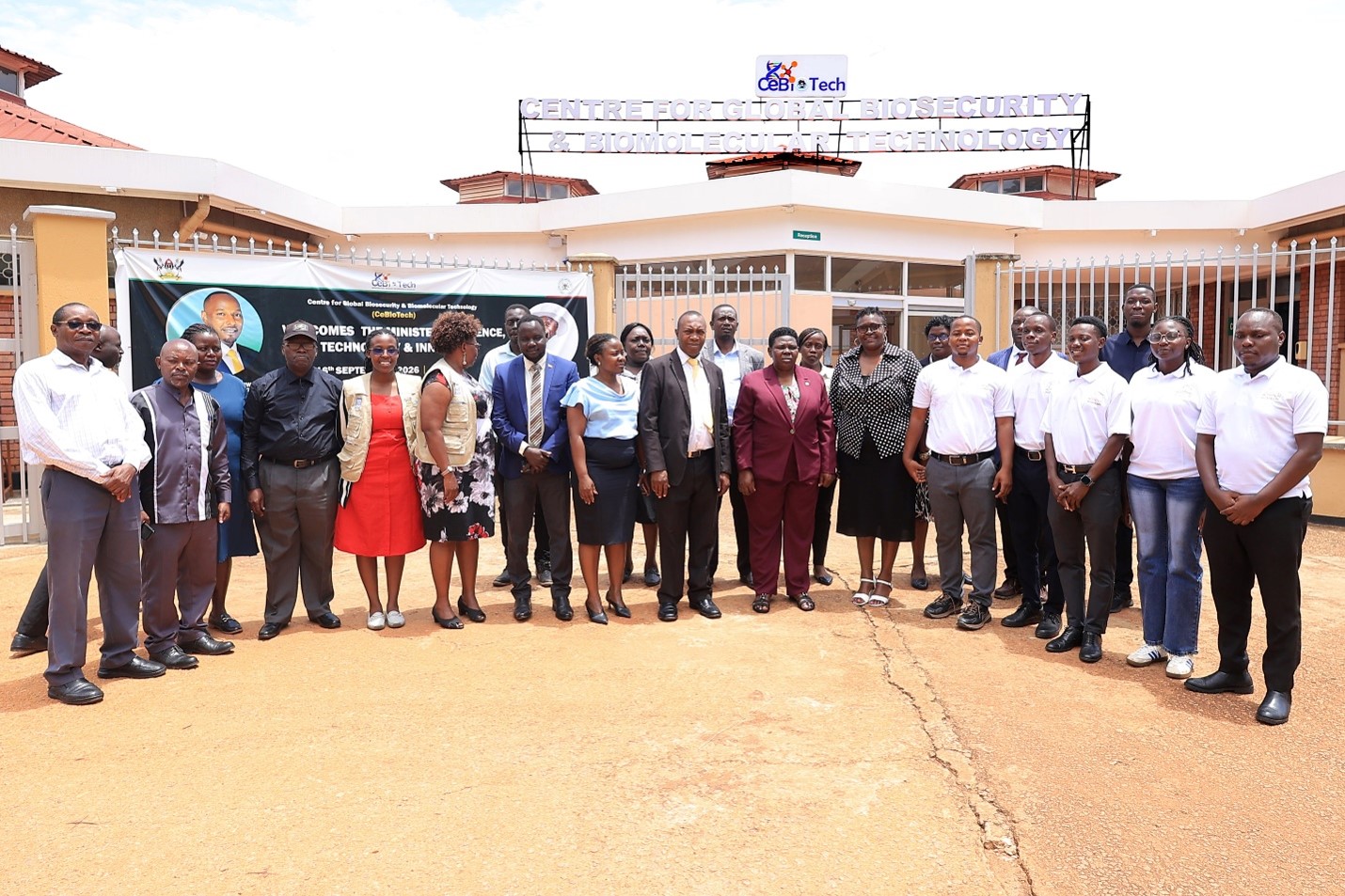
Namayanja made the remarks during a visit to the College of Veterinary Medicine, Animal Resources and Biosecurity (CoVAB) at Makerere University on October 12, 2026, where she interacted with researchers and innovators working on various agricultural solutions. A key focus of the engagement was AZORA, an innovative low-cost protein source being developed as an alternative livestock feed ingredient to help reduce feed costs and improve farmer productivity. She explained that her visit to CoVAB was intended to obtain first-hand, research-based information that could be shared with other stakeholders and used to provide informed guidance to farmers.
While reflecting on the performance of beneficiaries of the Parish Development Model (PDM), Namayanja noted that government efforts to train and support farmers were yielding positive results in many areas, citing Mubende Municipality as an example. However, she expressed concern about the escalating cost of animal feeds, which continues to affect farmers across the country. She specifically cited the high price of ‘Akalungo’, a protein premix commonly used in livestock feeds, as one of the challenges undermining profitability in the agricultural sector.
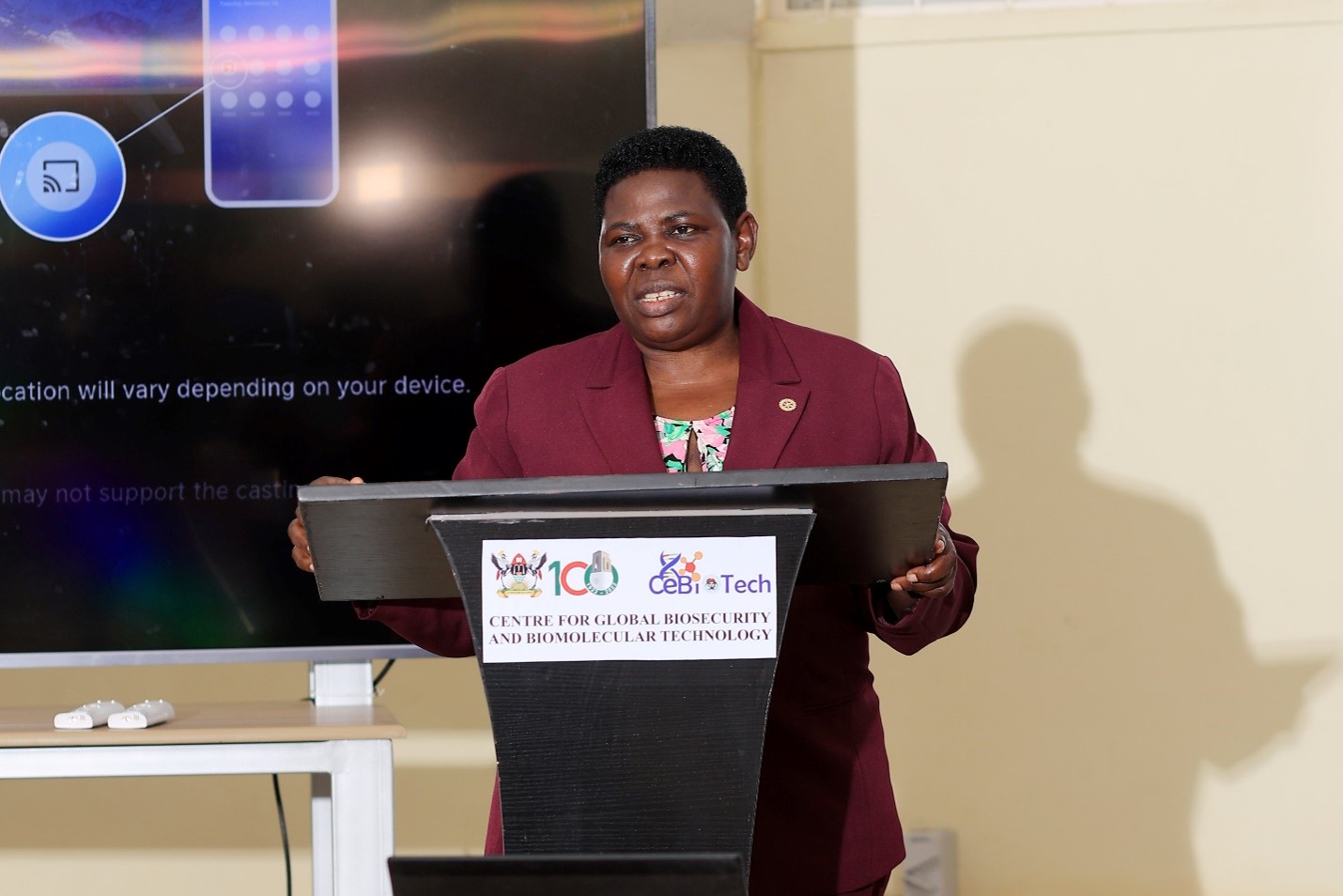
The Deputy Secretary General of the National Resistance Movement (NRM), Ms. Rose Namayanja made his remarks during the engagement held on Monday October 12th, 2026
Namayanja, who indicated that she too was involved in poultry farming with over One hundred thousand birds, explained that she had learned about Azora, an alternative and affordable source of protein for animal feeds, from several sources, including the Uganda Prisons Service’s two-acre demonstration facility at the Jinja Show Ground, where a number of agricultural innovations are showcased. Interested in obtaining first-hand knowledge about the innovation, she visited CoVAB to engage with the researchers behind Azora and better understand its potential to address the feed cost challenge facing farmers.
She noted that her intention was to obtain well-researched and evidence-based information that would enable her to provide accurate guidance and informed advice to farmers seeking practical solutions to improve productivity while reducing production costs.
Explanation of Improvements
“Many people, including members of the elite class, are increasingly investing in agriculture and are seeking support and information from credible institutions,” she said.
Namayanja commended the young scientists and innovators at the college for putting their academic knowledge into practice through solutions that address animal nutrition challenges and help farmers reduce the cost of livestock feeds.
She pledged to work closely with CoVAB to ensure that farmers’ challenges are addressed through scientifically guided interventions and innovations.
CoVAB Showcases Research and Academic Programs

The Principal of CoVAB, Prof. Clovice Kankya (in Black suit) flanked by Edward Sebuufu of Anaweza Innovation Academy (in white), hand over gifts to Ms. Rose Namaynja after a successful visit to covab. Looking on are other academy members.
The Principal of CoVAB, Prof. Clovice Kankya, highlighted the wide range of research and academic activities being undertaken at the college. He explained the college’s structure, which comprises the School of Veterinary Medicine and Animal Resources (SVAR) and the School of Biosecurity, Biotechnology and Laboratory Sciences ((SBLS), outlining the various academic programs and research initiatives offered under the two schools.
Scientists Promote Alternative Feed Sources
Speaking during the engagement, Assoc. Prof. Claire Mack Mugasa, the Dean of SBLS emphasized the college’s efforts to develop alternative animal feed sources using insects such as maggots and black soldier flies. She explained that these innovations help transform waste into useful products while addressing the growing demand for affordable protein sources in animal feeds. As a representative from the unit responsible for quality management, she noted that the college places great emphasis on ensuring that animal feeds meet national standards and regulatory requirements.
“Food is often said to be a drug, and therefore the feeds we produce must be of high quality,” she said, noting the need to comply with standards set by the National Drug Authority and other regulators.
Prof. Mugasa observed that conventional protein sources such as fish meal and soybean remain expensive, creating competition between livestock and humans for food resources. She stressed the need to expand research, establish demonstration gardens, and increase farmer awareness and confidence in innovations such as Azora. She also highlighted the need for further research into preservation technologies, including grinding and fermentation methods, to improve the storage and utilization of Azora products.
Linking Innovations to Communities
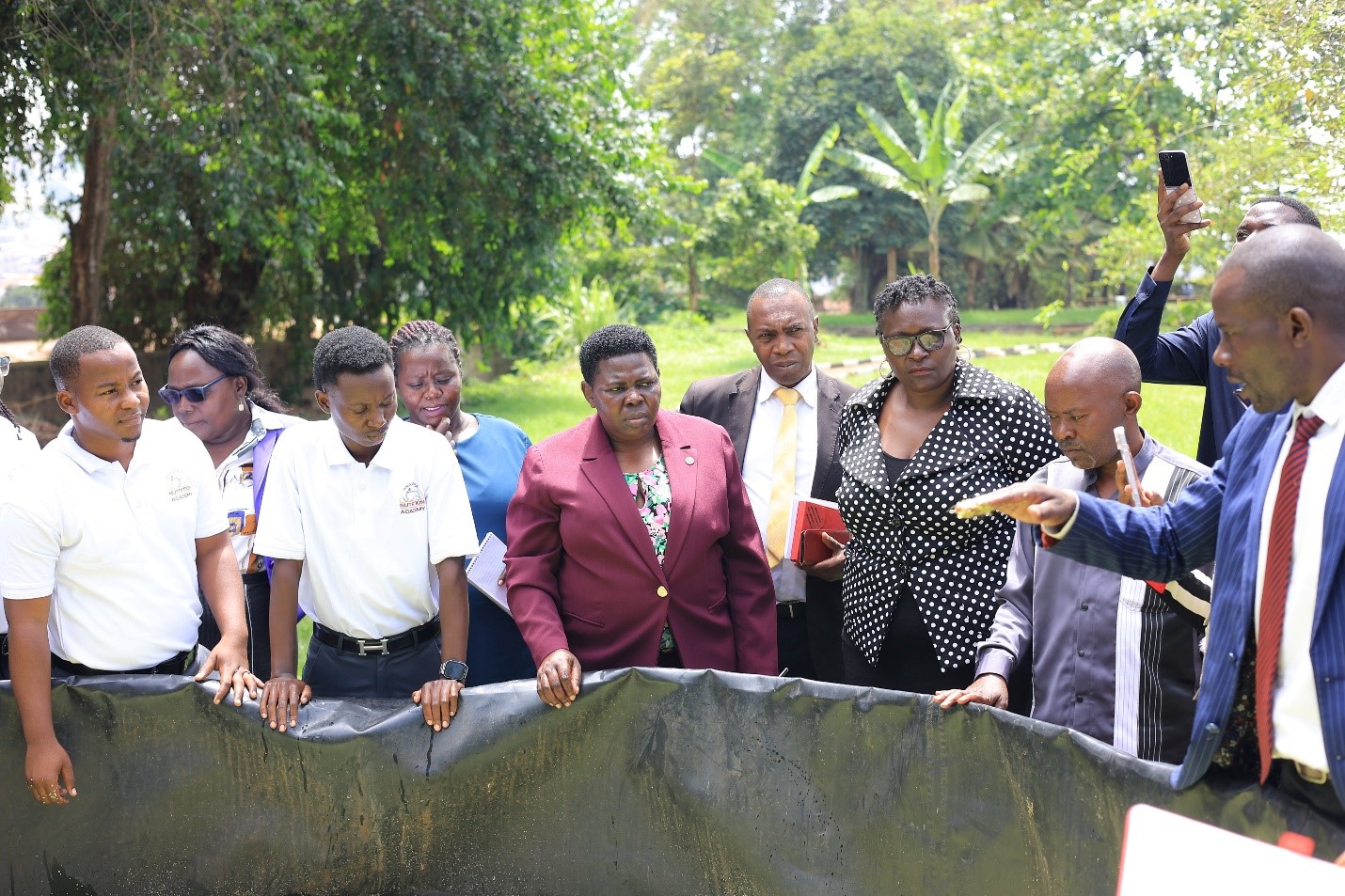
Dr. Herbert Mukiibi (Right) showing Ms. Namayanja, one of the demonstration tanks where AZORA is grown at CoVAB
Edward Ssebuufu, founder of Anaweza Innovation Academy, said the academy identifies gaps within communities and develops solutions to address them. He revealed that the organization in conjunction with researchers from CoVAB and CAES is establishing demonstration gardens to promote Azora as an affordable protein source for animal feed among many other innovations. Ssebuufu proposed stronger collaboration between the academy and the Parish Development Model so that proven technologies can be disseminated more effectively to communities.
“We have the technologies here at CoVAB. The question is how we get them to the communities?” he said.
He noted that high feed costs and concerns about feed quality remain major challenges for farmers. According to him, practical community training centers, proper enterprise selection, and farmer group formation are essential strategies for improving agricultural productivity and adoption of innovations.
Makerere UniPod Promotes Commercialization
The Assistant Manager of Makerere UniPod, Dr. Margaret Nabuuma, said the innovation hub welcomes staff, students, and members of the public with innovative ideas. She acknowledged that while numerous innovations are being developed at the university, many people are not fully utilizing the services available through the center.
“Our role is to link academia to industry and serve all categories of innovators,” she said.
Dr. Nabuuma further observed that there is a significant gap in the commercialization of research outputs and innovations, emphasizing the need for coordinated efforts among researchers, innovators, government agencies, and industry players to ensure that technologies developed at the university reach communities and contribute to national development.
By Harriet Musinguzi