
THE COMMITTEE ON SCIENCE, TECHNOLOGY AND INNOVATION IN PARLIAMENT REVIEWS UGANDA’S EMERGING SCIENCE VENTURES

Uganda’s drive to strengthen science, technology and innovation took center stage as the Parliamentary Committee on Science, Technology and Innovation toured Makerere University’s Centre for Biosecurity and Biomolecular Technology (CeBIOTECH). The centre is hosted at the College of Veterinary Medicine, Animal Resources and Biosecurity (CoVAB). The visit aimed to assess the progress of ventures supported under the Science, Technology and Innovation–Office of the President (STI-OP).
The visit brought legislators, scientists, and innovators together around a shared question: How can Uganda turn investments in scientific research into practical technologies, enterprises, and solutions that respond to national development challenges?
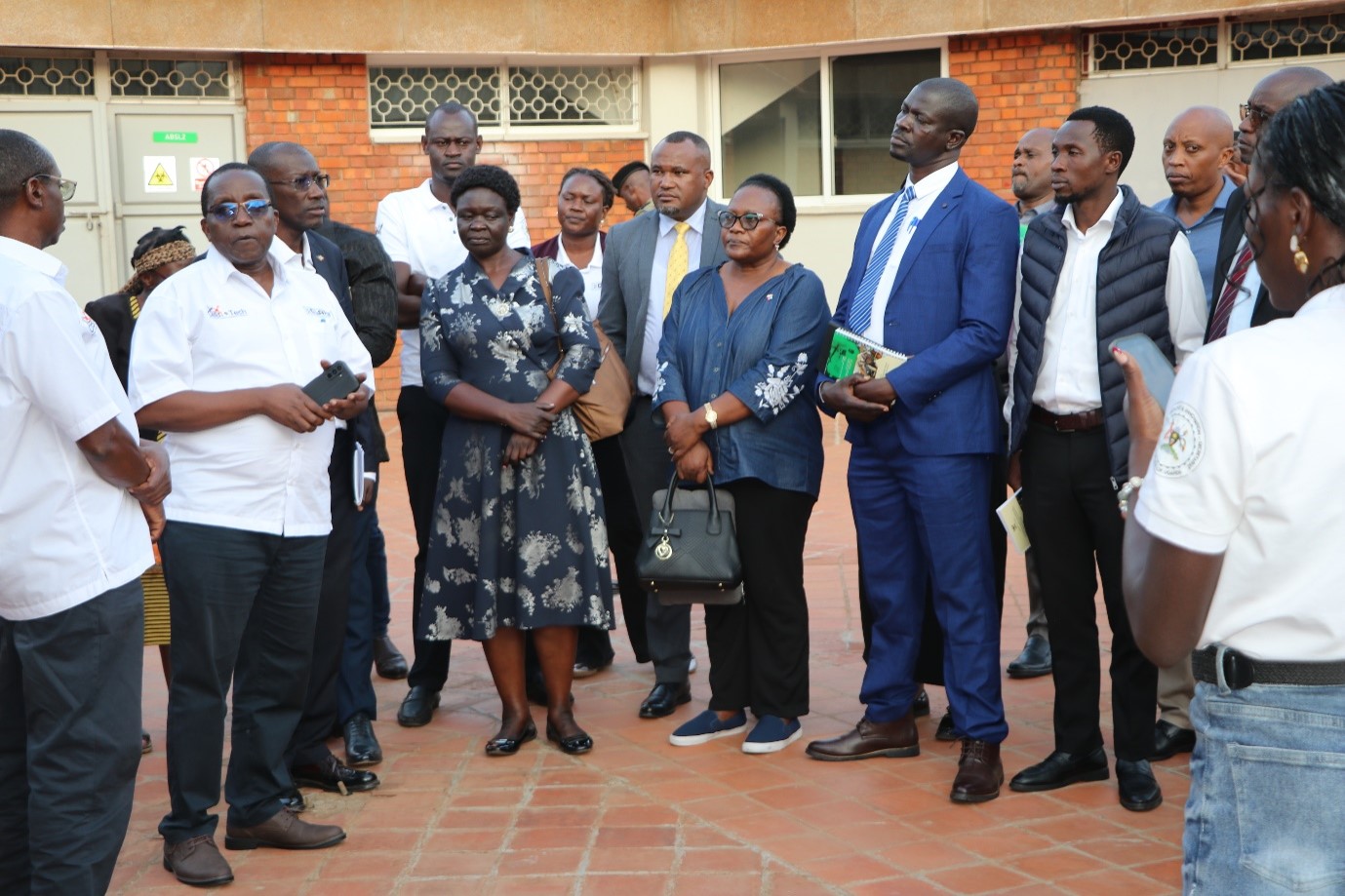
At CeBIOTECH, the Committee was taken through a portfolio of emerging science ventures, including Central Laboratory Animal Research Facility, which focuses on providing lab animal services, pre-clinical trial support, and specialized training to accelerate biosecurity and health solutions; RePROVaD, which focuses on designing and manufacturing recombinant proteins and subunit vaccines for emerging infectious diseases such as COVID-19 and Mpox; the Anti-Tick Vaccine venture focused on addressing the challenge of ticks and tick-borne diseases; and BIOMARKER focused on developing Antibody-based diagnostics.
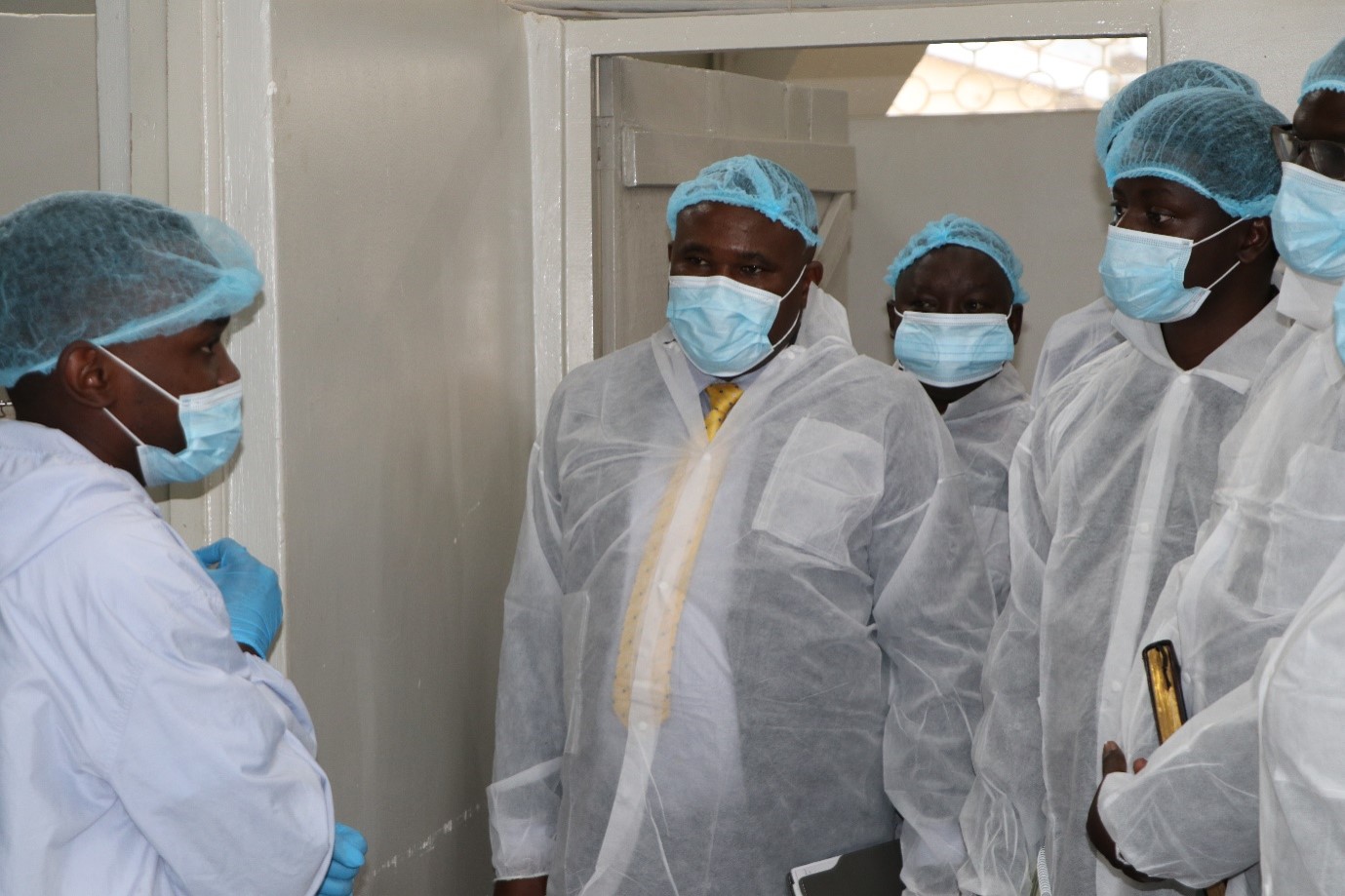
The delegation also toured laboratories within the Centre where research, product development and other activities supporting the ventures are undertaken.
The engagement offered the Committee a first-hand view of the scientific infrastructure, expertise and processes underpinning Uganda’s efforts to move research beyond academic discovery and towards innovation, enterprise development and eventual application.
Where science meets national priorities
For years, Uganda has invested in research and generated scientific knowledge across universities and research institutions. However, converting that knowledge into products and services that reach communities and markets remains one of the country’s most important innovation challenges. The ventures showcased at CeBIOTECH represent an attempt to bridge this gap.
Although they operate in different areas, the ventures share a common pathway using scientific research and technological expertise to develop solutions with potential to address challenges facing Ugandans while contributing to economic growth.
The Parliamentary Science Committee’s visit consequently provided more than an opportunity to observe ongoing research. It created a platform for legislators to interact with the scientists behind the innovations and gain insight into the journey from research concept to a potentially viable product or enterprise.
That journey can involve years of research, laboratory experimentation, testing, validation, regulatory requirements, intellectual property protection, investment, and commercialisation.
A diverse portfolio of innovation
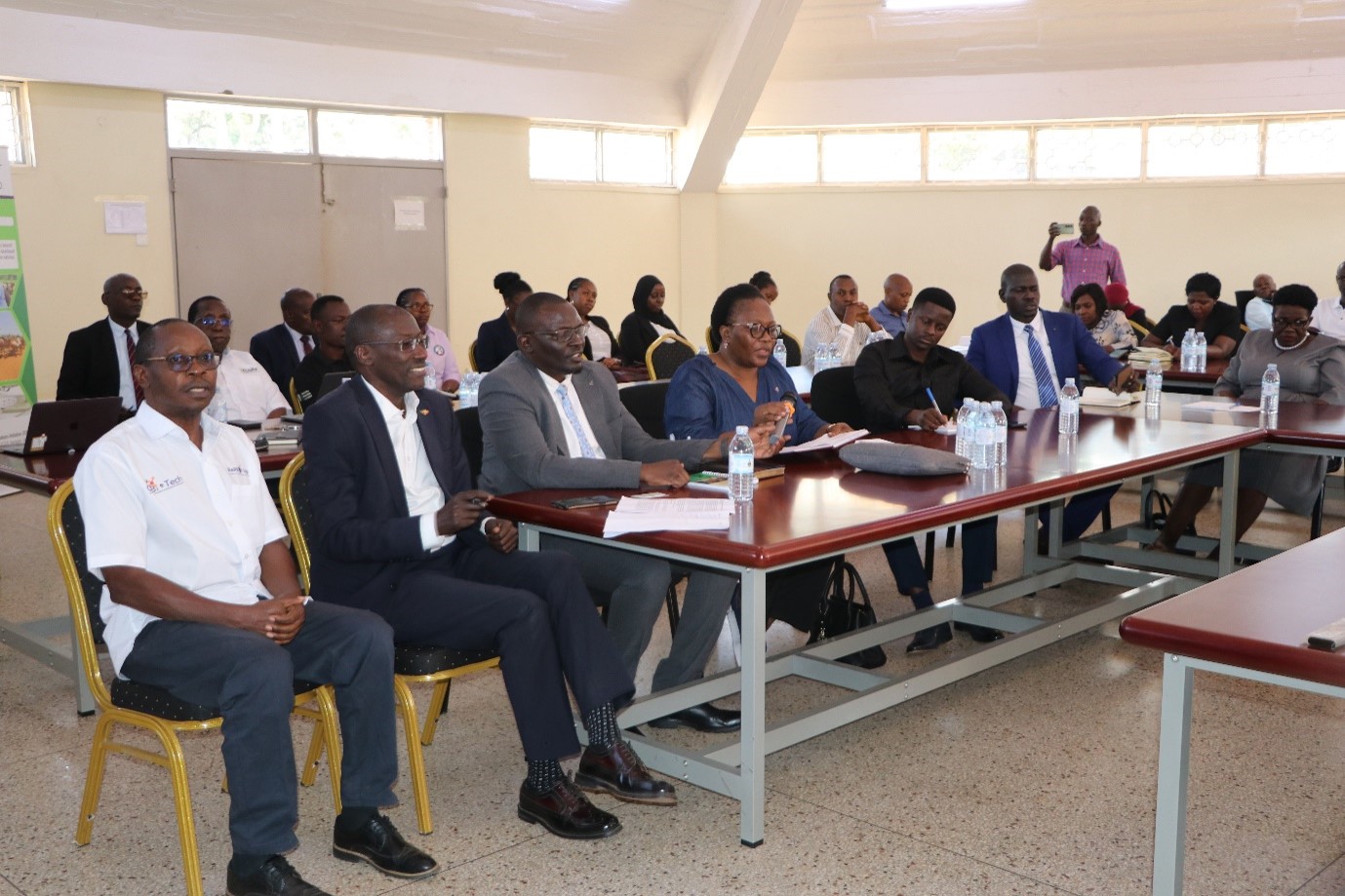
The diversity of ventures at CeBIOTECH reflects the broad scope of Uganda’s science and innovation agenda.
The CLARF, REPROVaD, and BIOMARKER ventures demonstrate the range of scientific work being pursued. At the same time, the Anti-Tick Vaccine Venture highlights efforts to address one of the persistent challenges affecting livestock production.
Rather than viewing the ventures as isolated projects, the visit highlighted the importance of building an ecosystem in which scientific discoveries can be nurtured into sustainable enterprises.
Such an ecosystem requires more than laboratory facilities. It depends on skilled
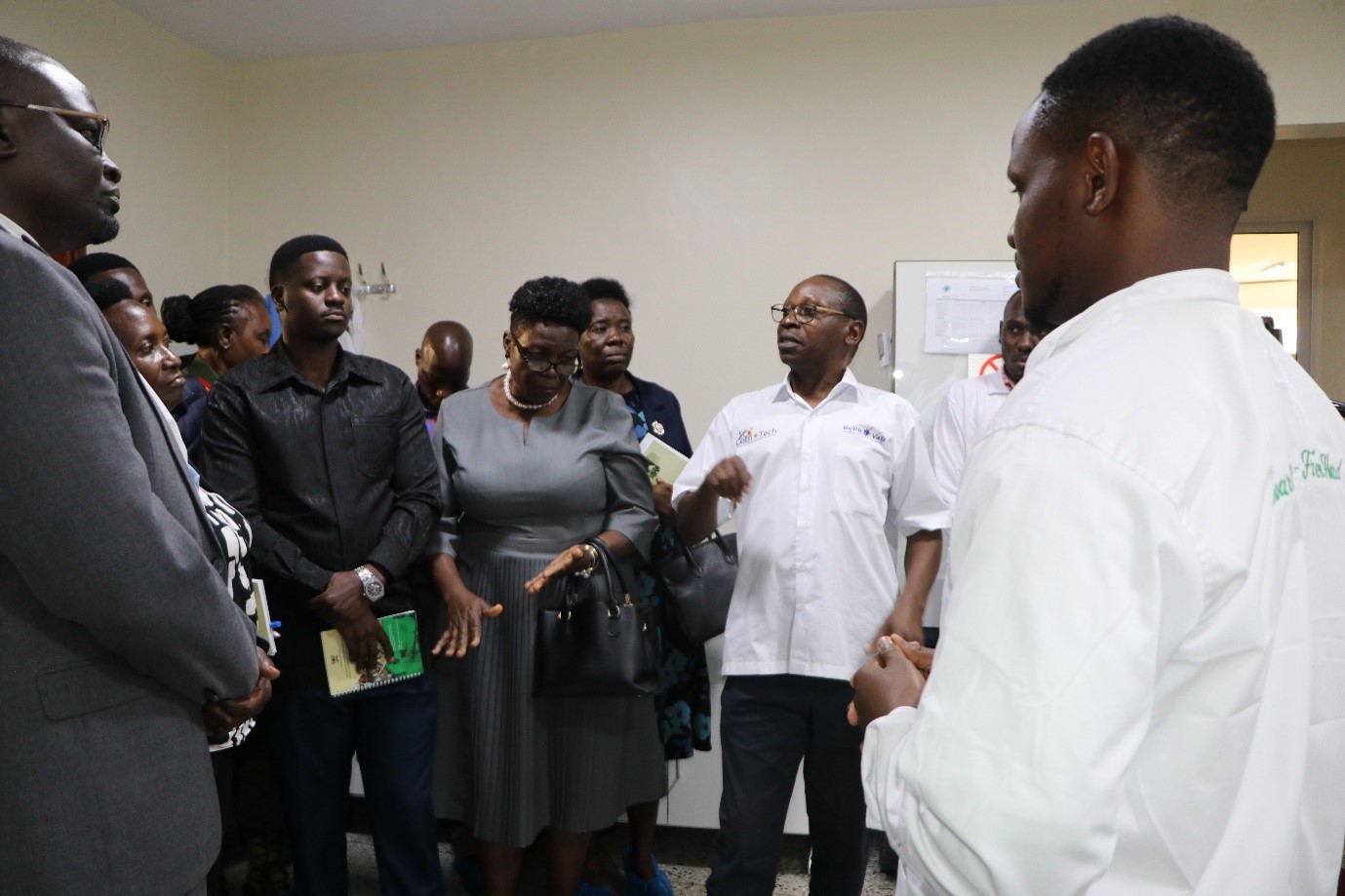
The team inside the Anti-tick Vaccine Research and Development laboratory under the guidance of the Centre, Prof. Enock Matovu.
human resources, research financing, modern infrastructure, regulatory support, partnerships, intellectual property management, manufacturing capacity, and market access.
Taking the fight against ticks beyond conventional control
One of the ventures presented to the Committee was the Tick Control Innovations Initiative Ltd.’s Anti-Tick Vaccine Venture, which is developing a vaccine aimed at controlling ticks and reducing the burden of tick-borne diseases in cattle.
Ticks and tick-borne diseases continue to present significant challenges to livestock production, affecting animal health and productivity and placing additional costs on farmers.
The development of an anti-tick vaccine represents an innovative approach to complement conventional tick-control measures and potentially provide farmers with an additional tool for managing the problem.
The inclusion of the venture among the STI-OP innovations showcased to Parliament demonstrates how scientific research can be directed towards challenges with direct implications for agriculture, livestock production and rural livelihoods.
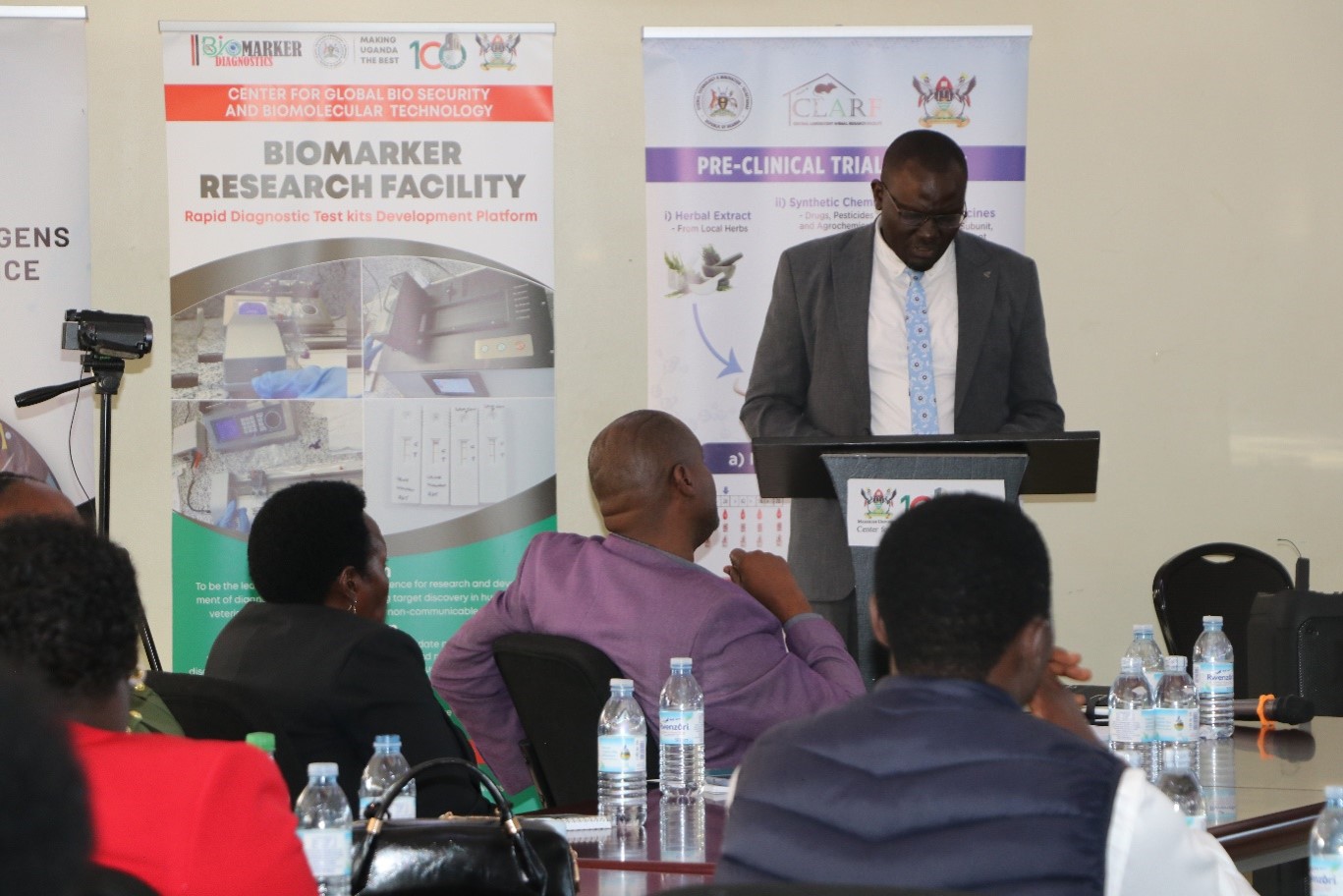
The Chairman of the Committee on Science, Technology and Innovation in Parliament, Hon. Dr. Samuel Opio Acuti, making remarks during the meeting at CeBIOTECH-COVAB.
For Uganda, the significance of such innovations lies not only in the scientific breakthrough itself, but also in the possibility of developing locally generated technologies that can eventually reach farmers and contribute to a more productive livestock sector.
The laboratories behind the innovations
A significant part of the Committee’s programme was the tour of CeBIOTECH’s laboratories. The tour offered members an opportunity to see the facilities where scientific investigations and activities supporting the various ventures are undertaken.
Behind every innovation that eventually reaches the market is a substantial amount of work that is rarely visible to the public: laboratory experiments, sample analysis, quality control, testing, documentation, and validation.
The laboratory visits therefore helped demonstrate that successful innovation requires sustained investment in scientific infrastructure and the people who operate it. For Uganda’s science ventures to mature into viable enterprises, maintaining and strengthening such infrastructure will remain critical.
Parliament and the science agenda
The engagement also highlighted the important role Parliament can play in creating an environment in which scientific innovations can thrive.
While researchers generate knowledge and innovators develop technologies, policy and public investment can determine whether promising innovations receive the support needed to progress.
The Parliamentary Science Committee’s interaction with the ventures therefore provided an opportunity to understand the realities of research and innovation. Such an engagement strengthened the connection between policymakers and scientists, ensuring that decisions concerning science, technology and innovation are informed by the practical experiences of those working within the sector.
A step towards an innovation-driven Uganda
The Parliamentary Committee on Science, Technology, and Innovation‘s visit to CeBIOTECH comes at a time when Uganda continues to position science, technology, and innovation as central to national transformation. The ventures visited provide a glimpse into what this ambition can look like in practice; scientists working on locally relevant challenges, laboratories supporting research and development, and emerging enterprises seeking to convert scientific knowledge into usable solutions.
The visit also underscored the importance of sustained collaboration among government, Parliament, universities, research institutions, private-sector players and investors. For the innovators at CeBIOTECH, the engagement provided an opportunity to demonstrate progress, highlight the potential of their work and draw attention to the support required to move their innovations to the next level. For Parliament, it offered a closer look at the people, facilities, and scientific processes behind Uganda’s emerging innovation landscape.
Ultimately, the story unfolding at CeBIOTECH is not simply about laboratories or individual ventures. It is about Uganda’s capacity to generate its own solutions, build enterprises around scientific knowledge, and turn research investment into tangible national value.
As the country pursues a more knowledge-driven economy, the progress of ventures such as CLARF, SUBUNIT, the Anti-Vaccine Venture, RePROVaD, and BIOMARKER will be an important measure of how effectively Uganda can move from research to innovation, from innovation to enterprise, and from enterprise to impact.
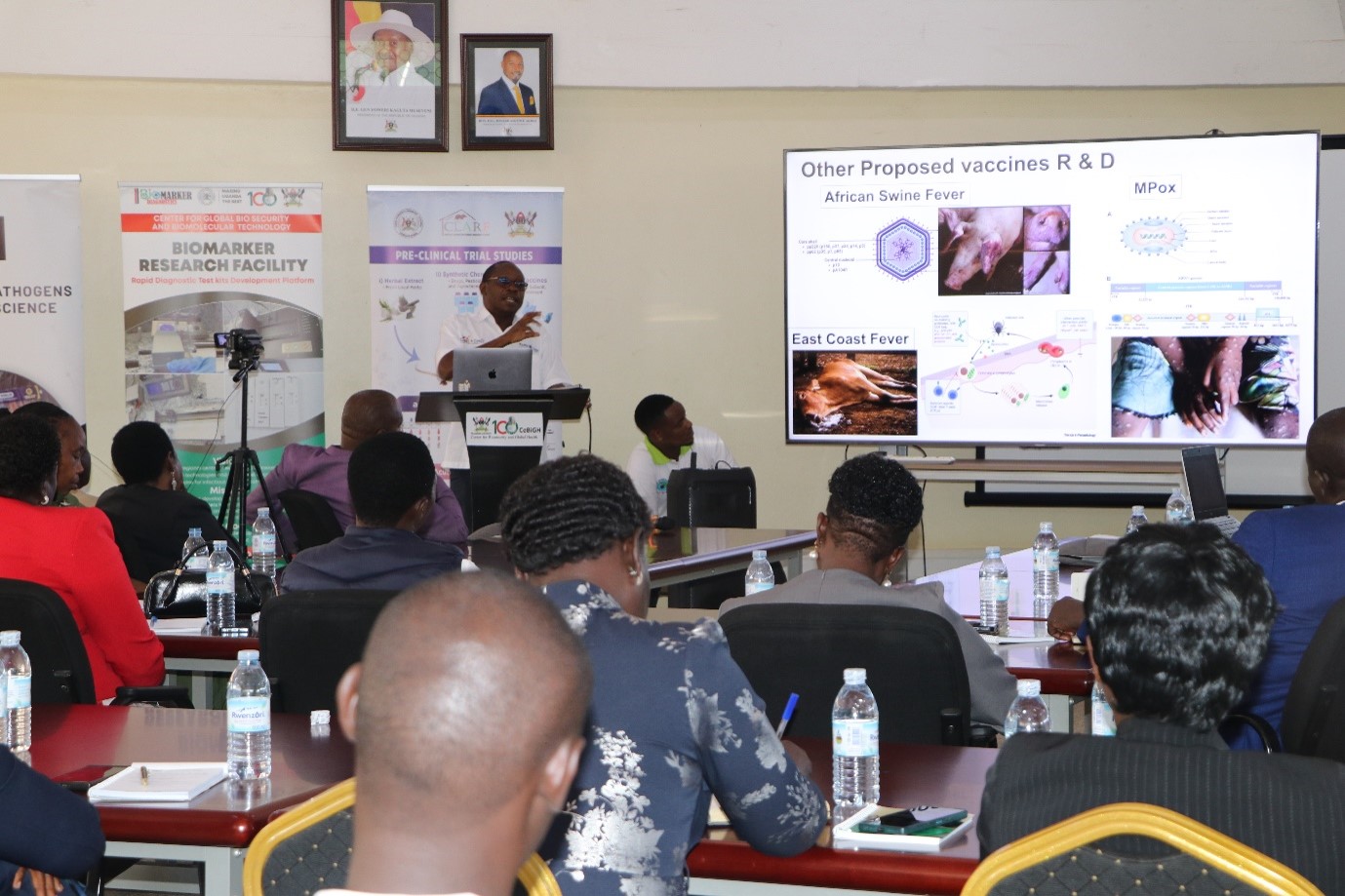
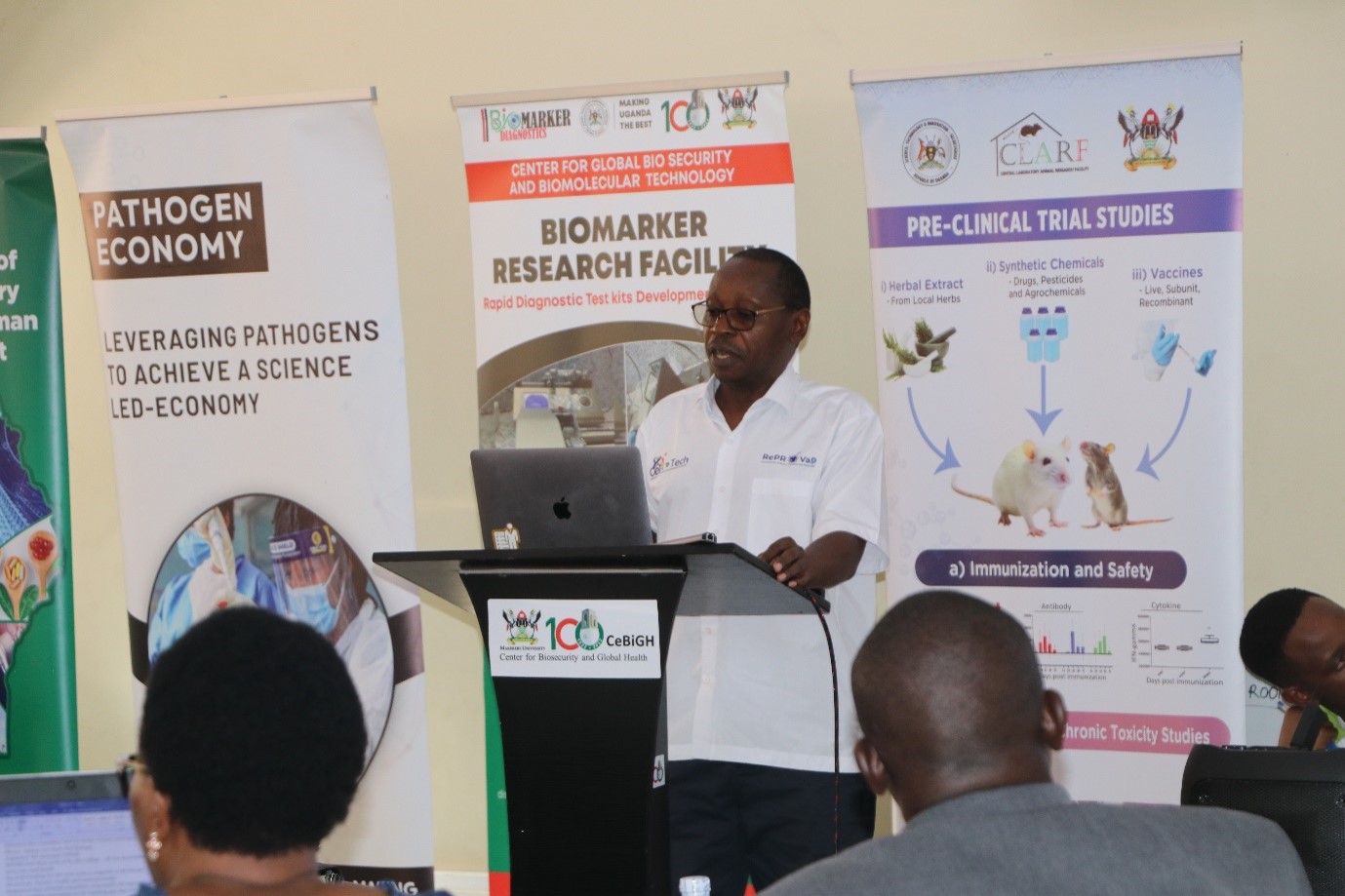
The Director of the Centre for Global Biosecurity and Biomolecular Technology (CeBIOTECH), Prof. Enock Matovu, presents the ventures operating at the Centre during a meeting with the Parliamentary Committee on Science, Technology, and Innovations on 31st August 2026.
Story by Jacinta Nakaye