
CoVAB Staff Advance Competency-Based Teaching and Learning

Makerere University’s College of Veterinary Medicine, Animal Resources and Biosecurity (CoVAB) has taken further steps in entrenching Competency-Based Education and Training (CBET), following a training session organized by the University’s Quality Assurance Directorate.
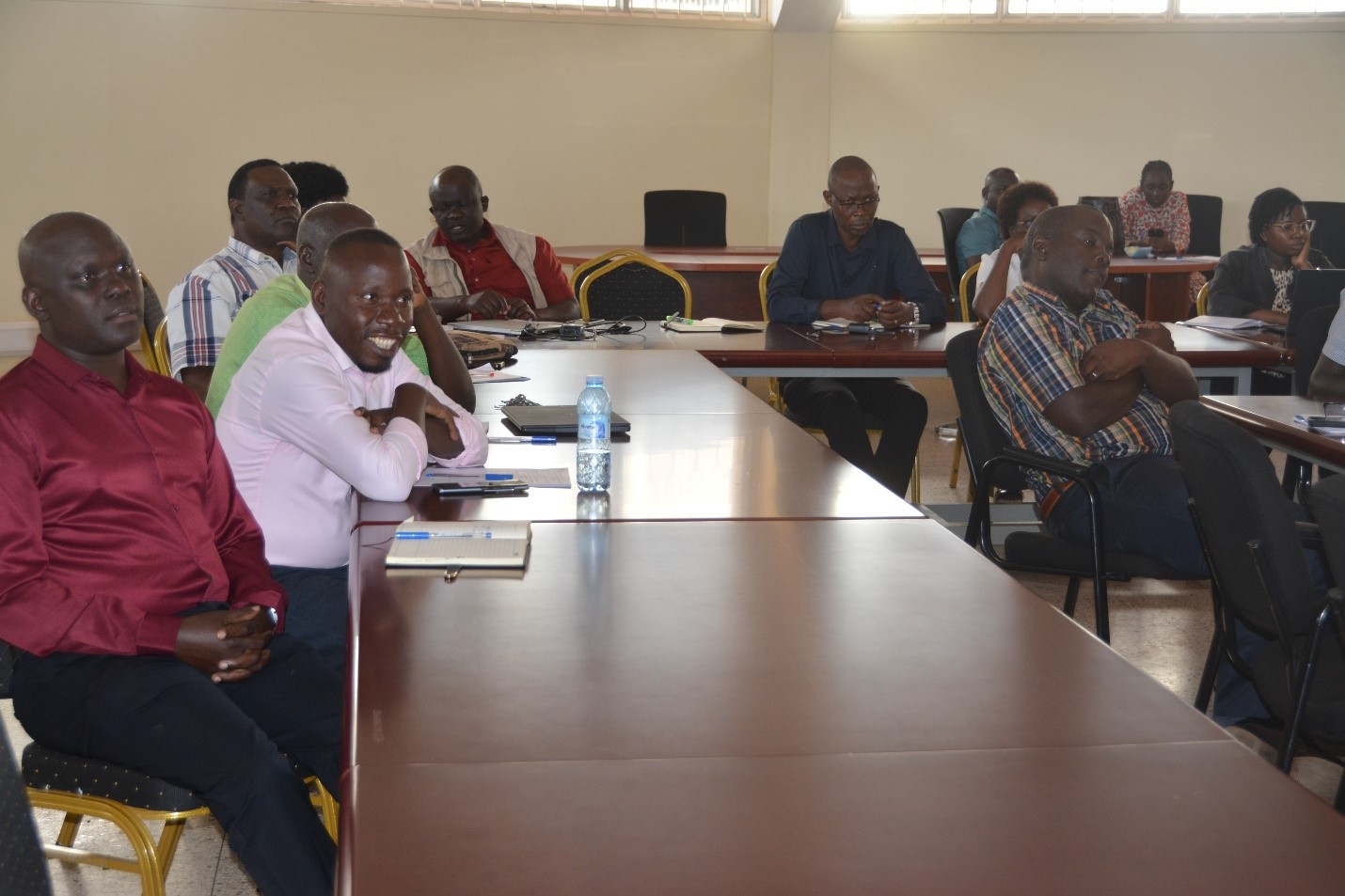
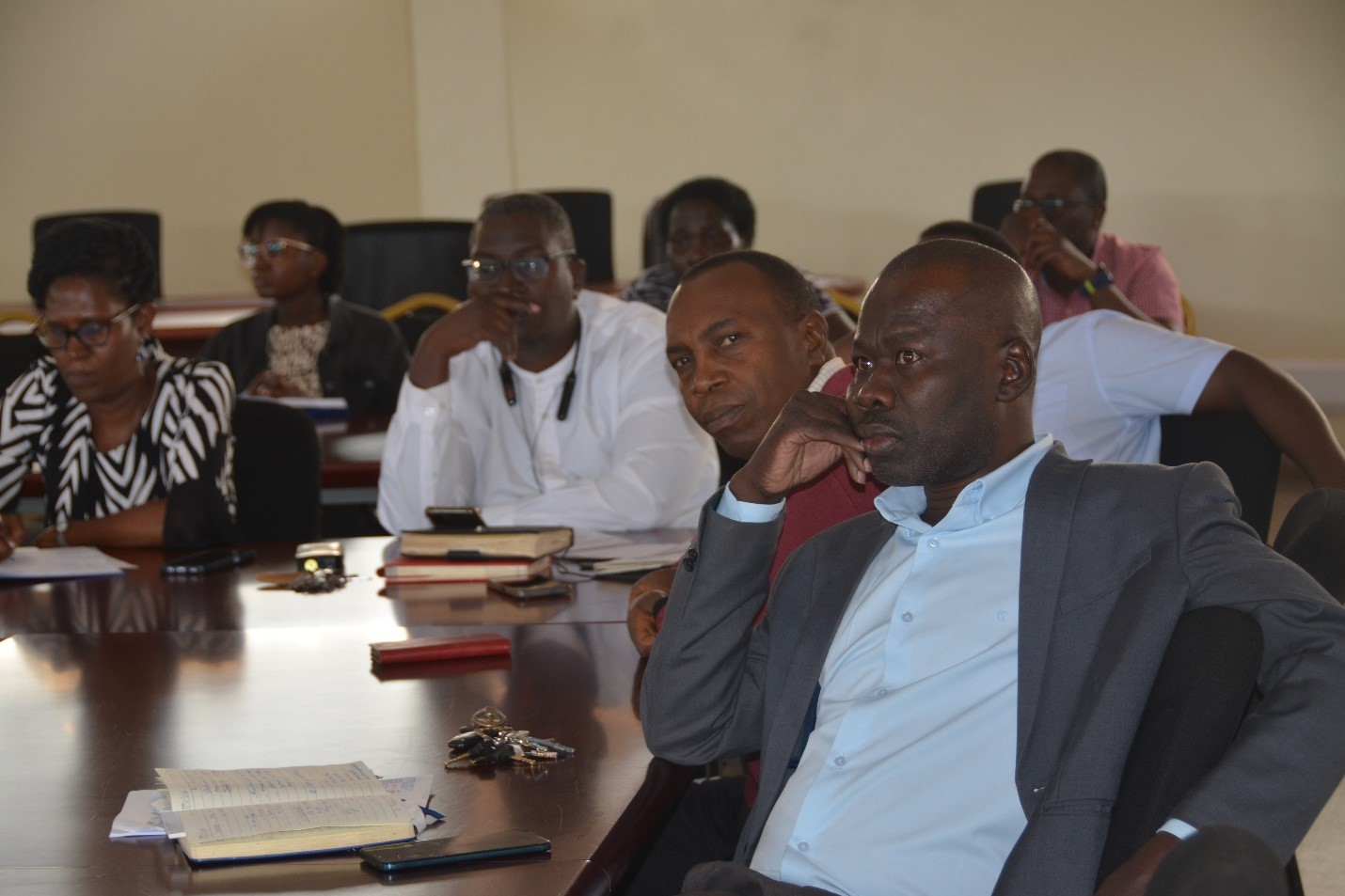
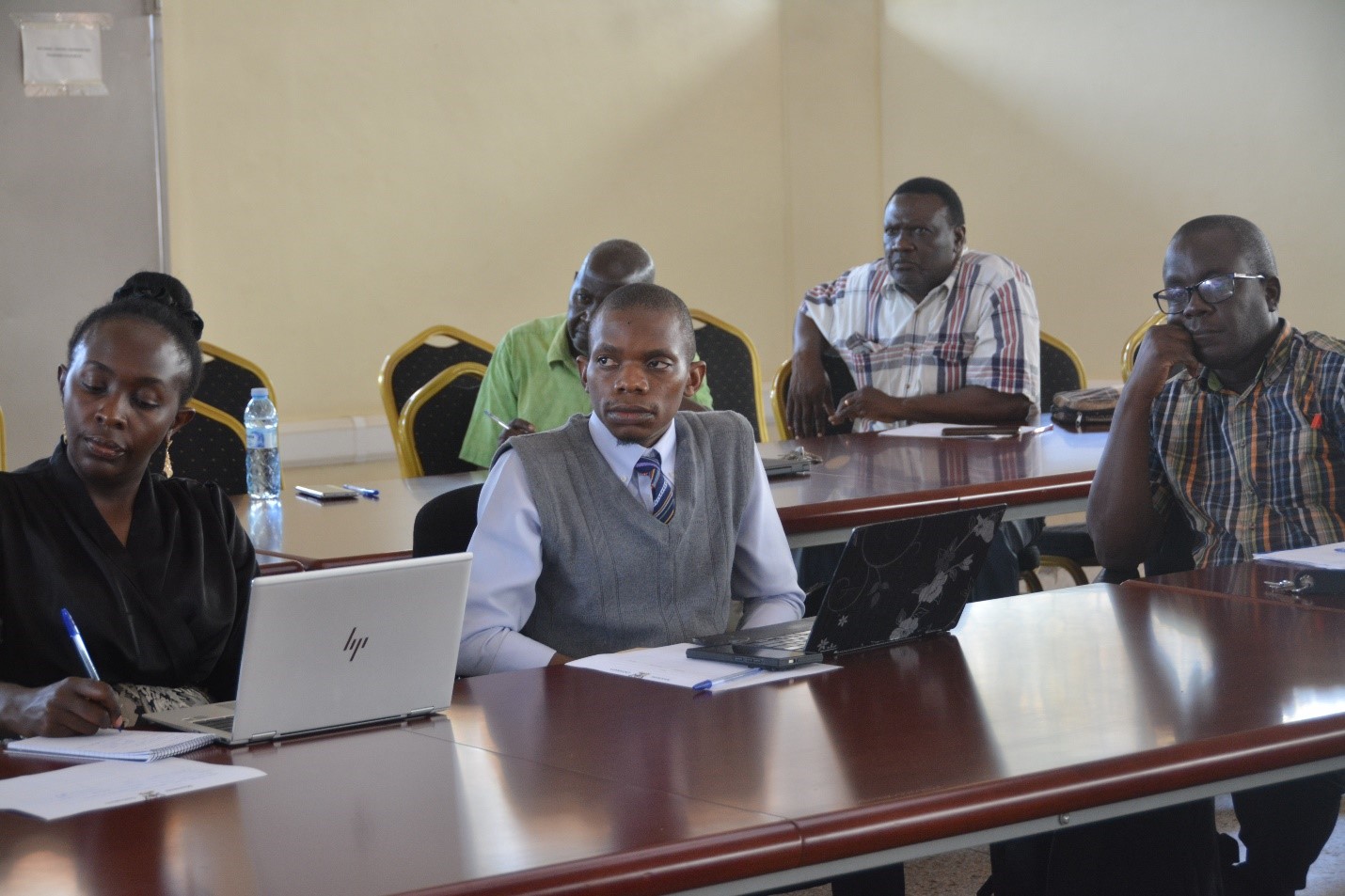
The workshop, held on Wednesday, August 26th, 2026, focused on Mapping Curricula to Competency-Based Education and was conducted by Prof. Cyprian Misinde, Director of Quality Assurance. It brought together representatives of academic staff from various departments to deepen their understanding of CBET principles and align programme objectives, learning outcomes, and assessment methods with industry-responsive standards.
The reform is aimed at equipping graduates with practical skills, innovation, and adaptability for the evolving world of work. Building on the Ministry of Education and Sports’ directive for all universities to transition to CBET by 2027, CoVAB has intensified efforts to redesign its curricula, strengthen practical training, and further adopt learner-centered approaches.
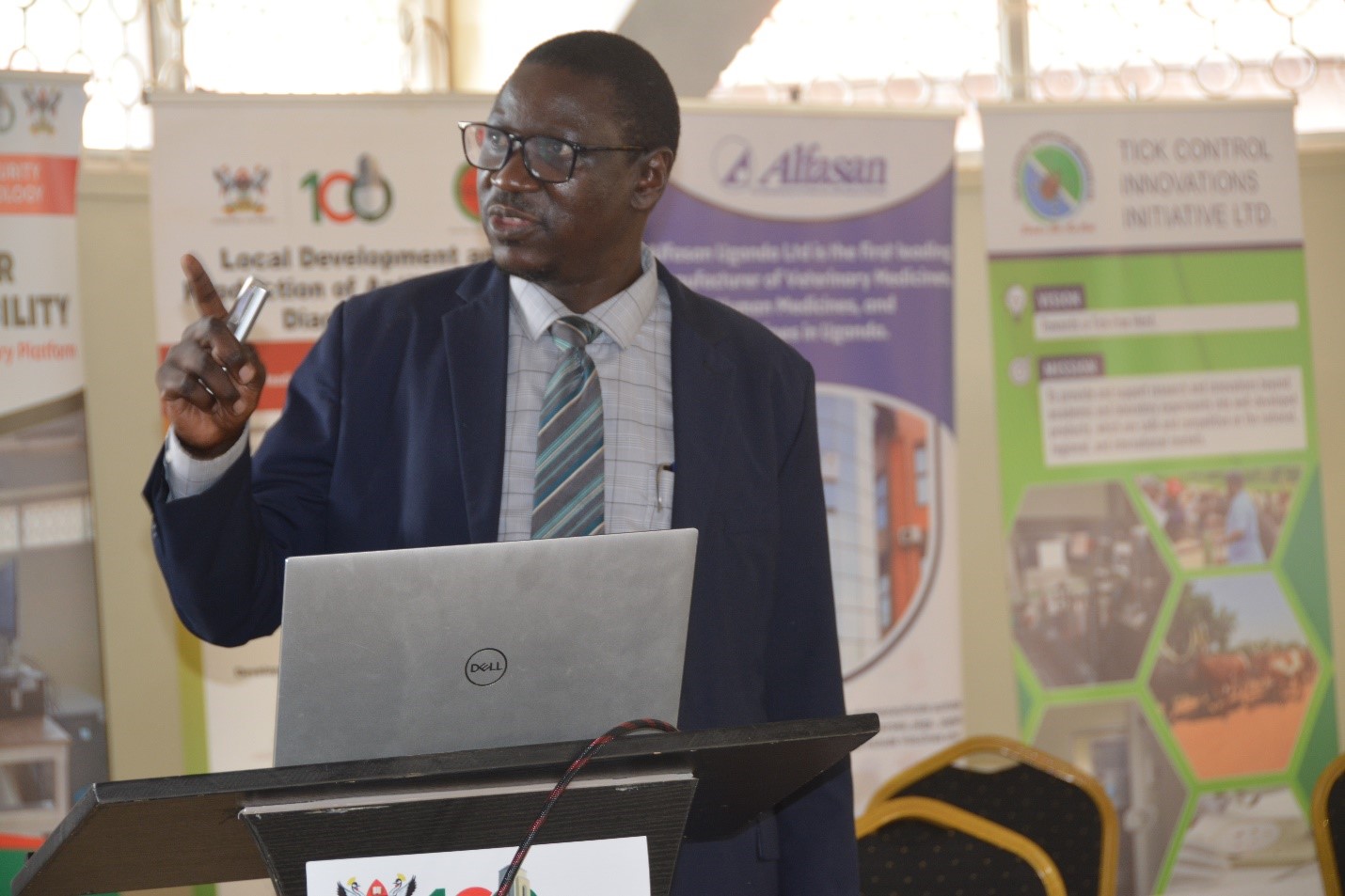
Prof. Cyprian Misinde, Director of Quality Assurance, facilitated the training
“Competency-based education focuses not only on what students know, but also on what they can do. Your role as lecturers and technicians is therefore central to producing graduates who are practical, innovative, and equipped to contribute meaningfully to Uganda’s development,” said Prof. Misinde while explaining the changes introduced with the onset of competence-based training.
Speaking during the session, Assoc. Prof. James Acai Okwee, Deputy Principal of CoVAB, noted that the College had already been incorporating competence-based approaches in its teaching and learning. He emphasized that the current shift will further reinforce these efforts, enabling lecturers and technical staff to move beyond traditional knowledge transmission and embrace strategies that foster critical thinking, entrepreneurship, digital literacy, teamwork, and ethical leadership.
Participants voiced some of the anticipated challenges in the implementation of the changes like time constraints, given the need to give more attention to students. The other issue raised concerned the resources which are already inadequate.
This transformation is expected to produce graduates who can apply their knowledge effectively in veterinary practice, animal resource management, and biosecurity. The progress at CoVAB reflects Makerere University’s broader commitment to becoming a flagship institution for competency-based education in Uganda. By anchoring CBET within veterinary and animal sciences, CoVAB is positioning itself to respond to industry demands, enhance graduate employability, and contribute meaningfully to national development.