
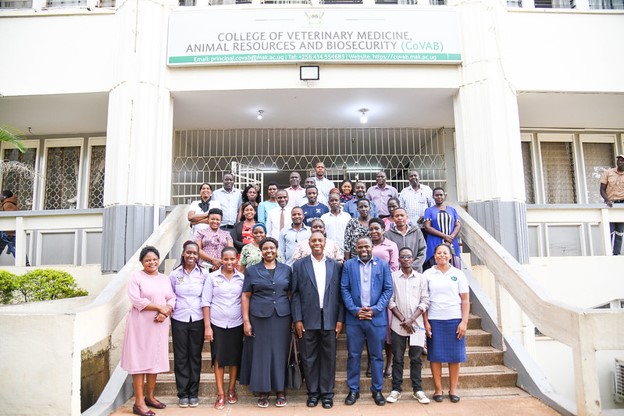
Gender Sensitization Session to Strengthen Gender-Responsive Practices conducted at CoVAB

Staff and students at the College of Veterinary Medicine, Animal Resources and Biosecurity (CoVAB) were encouraged to embrace gender-responsive practices as a key step towards building an inclusive, equitable, and productive academic environment.
The call was made during a gender sensitization workshop held on October 28th, 2026, organized by the Directorate of Gender Mainstreaming, which brought together members of the CoVAB community to deepen their understanding of gender issues and their relevance in higher education institutions.
Principal Calls for Active Participation
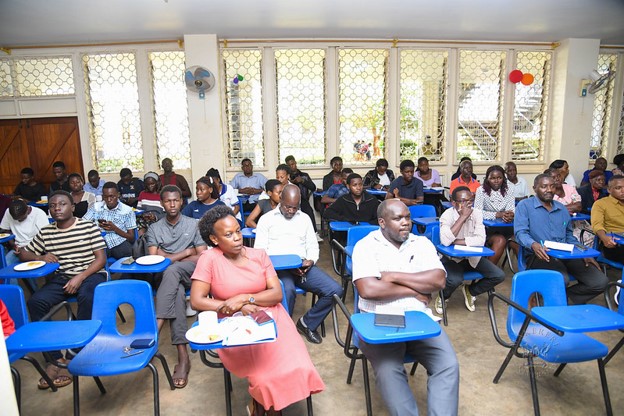
A section of the participants, including academic and administrative staff, listened attentively
Welcoming participants to the workshop, CoVAB Principal Prof. Clovice Kankya thanked the Directorate of Gender Mainstreaming for choosing the College to host the engagement and encouraged staff and students to take advantage of such learning opportunities.
He described the meeting as one of his first major engagements with members of the College community since assuming office and emphasized the importance of continuous learning and participation in institutional programs.
“Opportunities such as these should not be taken for granted. When experts come to share knowledge and experiences, it is important that we make time to attend, listen, and learn,” he said.
Prof. Kankya noted that he was one of the staff trained on gender in the past and noted that to date, there were many gender experts who worked together towards ensuring the student community gained the needed knowledge and skills to mainstream gender concerns in the college activities.
Gender Concerns Everyone
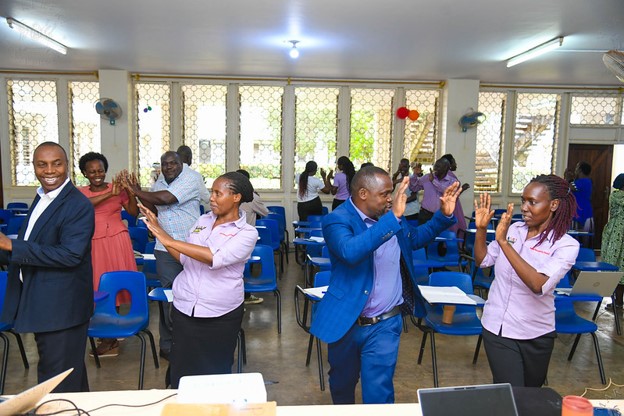
Some energizers to keep the participants fully engaged
Addressing common misconceptions about gender-related discussions, the Principal emphasized that gender is not exclusively a women’s issue but one that concerns all members of society.
“Gender is not all about women. It is about the social roles, responsibilities, and relationships that shape our lives and workplaces. Understanding these issues helps us create a more supportive and inclusive environment for everyone,” he explained.
Drawing from his academic experience, Prof. Kankya noted that gender considerations cut across disciplines and sectors and remain an important component of sustainable development efforts worldwide. He urged participants to appreciate the role of gender mainstreaming in fostering equal opportunities, promoting respectful working relationships, and enhancing institutional effectiveness.
The College of Veterinary Medicine, Animal Resources and Biosecurity (CoVAB) recently hosted a gender sensitization session aimed at increasing awareness of Makerere University’s gender policies and gathering stakeholder feedback to support their effective implementation.
Organized by the Directorate of Gender Mainstreaming, the engagement brought together staff and students to discuss gender equality, prevention of sexual harassment, gender-responsive planning and budgeting, and the role of university stakeholders in fostering an inclusive academic environment.
Principal Welcomes Gender Mainstreaming Directorate
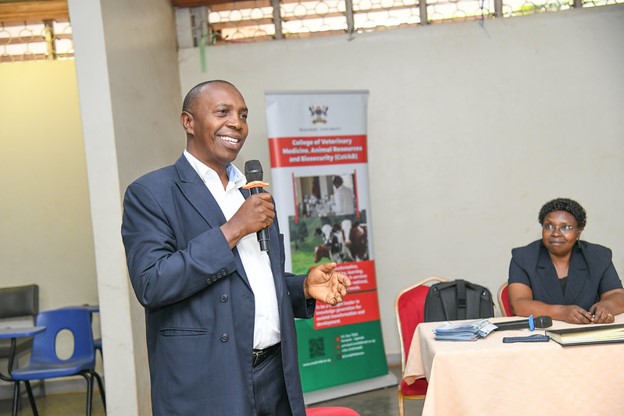
CoVAB Principal, Prof. Clovice Kankya, made welcome remarks, acknowledging the importance of gender in all areas
The session was officiated by the new CoVAB Principal, who thanked the Directorate for selecting CoVAB to host the engagement and encouraged staff and students to take full advantage of opportunities that contribute to professional and personal growth. While challenging the common misconception that gender discussions are solely women’s affairs, he emphasized the importance of participation in university activities, noting that such engagements provide valuable opportunities to learn, share experiences, and contribute to institutional development. “Gender is not all about women. It is about the social roles and responsibilities that shape our interactions and work environments. Understanding these issues is important for all of us.”, he stated.
Disseminating University Gender Policies
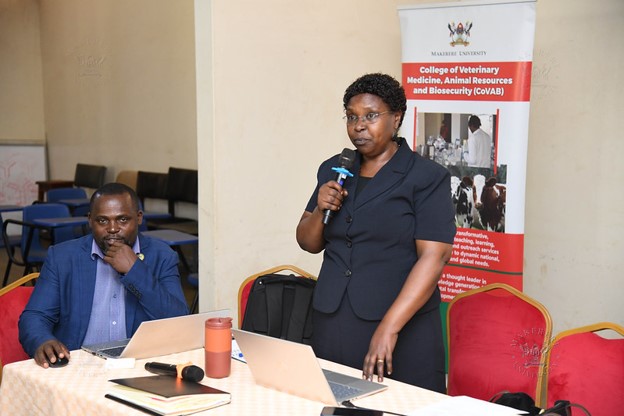
R-L: The Director of the Gender Mainstreaming Directorate at Makerere University Dr. Euzobia Baine, and Mr. Eric Tumwesigye facilitated the session.
Facilitators from the Directorate of Gender Mainstreaming, led by Dr. Euzobia Baine explained the purpose and scope of Makerere University’s Gender Equality Policy and the Policy and Regulations Against Sexual Harassment. Dr. Baine said the sensitization session aimed to increase awareness and understanding of the University’s gender policies and to obtain feedback from stakeholders to guide their implementation and continuous improvement.
Participants were informed that the policies apply to students, academic staff, administrative staff, and all other individuals who study, work, or undertake activities within university spaces. The Directorate also highlighted its mandate to coordinate policy implementation and provide technical support to colleges, schools, departments, and administrative units across the University.
Promoting Gender Equality across University Functions
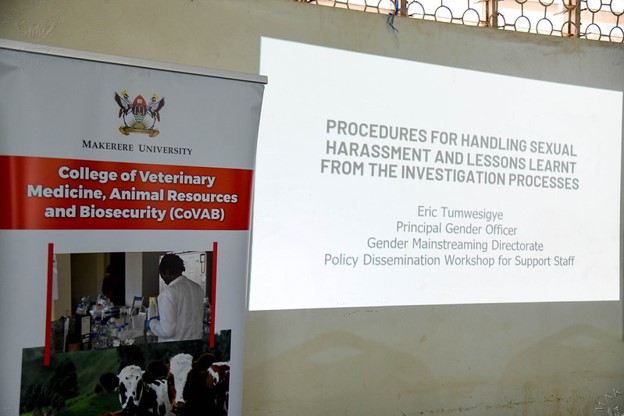
The meeting highlighted the broad scope of the Gender Equality Policy, which seeks to integrate gender considerations into teaching, learning, research, outreach, partnerships, and institutional management.
Participants learned that the policy promotes the integration of gender perspectives into curricula and research activities, equitable access, participation, retention, and progression for students and staff, increased participation of women and other underrepresented groups in Science, Technology, Engineering and Mathematics (STEM) fields and leadership positions, Gender-responsive community engagement and university partnerships, and a university culture founded on respect, inclusion, equity, and equal opportunity. The facilitators emphasized that gender mainstreaming is not a stand-alone activity but a responsibility that should be incorporated into all university programs and operations.
Addressing Sexual Harassment in University Spaces
A key component of the sensitization focused on the University’s Policy and Regulations against Sexual Harassment. Participants were informed that the policy was developed in response to evidence showing that sexual harassment was affecting members of the university community and that stronger preventive and response mechanisms were needed.
It was explained that the policy provides guidance on prevention, reporting, investigation, and management of sexual harassment cases while promoting safe and respectful learning and working environments for all and that the university was committed to supporting colleges and administrative units in implementing the policy and creating awareness among staff and students.
Gender and Equity in Planning and Budgeting
The session also highlighted the growing importance of gender and equity considerations in institutional planning and resource allocation. Participants were informed that the Public Finance Management Act requires public institutions to mainstream gender and equity concerns in their plans and budgets. They also learned that the Equal Opportunities Commission assesses institutional performance in implementing gender and equity commitments. The discussion prompted reflection on how colleges can strengthen compliance with these requirements and address existing gaps in implementing gender-responsive activities.
Fostering an Inclusive University Community
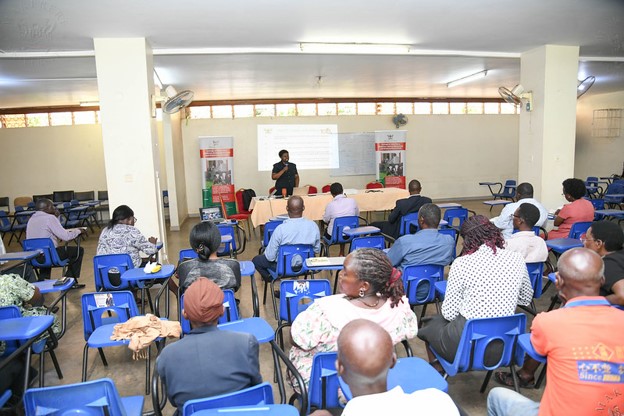
The sensitization session provided an opportunity for participants to share experiences, ask questions, and provide feedback on the implementation of the University’s policies. Participants welcomed the engagement, noting that it enhanced their understanding of gender issues and underscored their role in promoting a respectful, inclusive, and supportive environment for both staff and students.
By Harriet Musinguzi